Diet determines whether detox is possible or chaotic.
Before herbs, binders, protocols, or supplements, food sets the biological terrain. It decides how much toxic load enters the system, how stable blood sugar remains, how well bile flows, and whether the gut moves waste forward—or recycles it.
Many people think detox starts with removal.
In reality, it starts with input control.
Why Diet Comes First
Every detox pathway depends on digestion.
Food directly influences:
▪️ inflammation levels
▪️ microbial fermentation
▪️ bile production and flow
▪️ gut motility
▪️ nervous system tone
If food continues to feed toxicity, no detox protocol can compensate for it. The body stays in damage-control mode instead of clearance mode.
Diet is not about purity.
It is about stability.
What Happens When Diet Is Not Stabilized
When diet is chaotic during detox:
▪️ blood sugar spikes increase stress hormones
▪️ fermentation feeds parasites and dysbiosis
▪️ bile flow becomes sluggish
▪️ elimination slows
▪️ detox symptoms intensify
This is often mistaken for “strong detox” or “die-off,” when in reality it’s metabolic overload.
What a Detox-Supportive Diet Actually Does
A stabilizing diet:
▪️ reduces incoming toxic load
▪️ lowers inflammatory signaling
▪️ supports bile release
▪️ triggers regular gut movement
▪️ calms the nervous system
This creates the conditions where detox can happen without force.
Foods That Interfere With Cleansing
During active cleansing, certain foods reliably create problems:
▪️ sugar (including syrups and sweetened drinks)
▪️ refined flour and baked goods
▪️ ultra-processed carbohydrates
▪️ alcohol
▪️ frequent snacking without protein
These foods:
▪️ feed parasites and dysbiotic microbes
▪️ increase toxin production
▪️ disrupt blood sugar
▪️ slow elimination
Removing them often reduces symptoms within days—before adding anything new.
Foods That Support Cleansing
Supportive foods are not exotic. They are stabilizing.
Focus on:
▪️ clean proteins
▪️ non-starchy vegetables
▪️ healthy fats
▪️ bitter greens
These foods:
▪️ promote bile flow
▪️ reduce fermentation
▪️ stabilize energy
▪️ support elimination
Eating regularly matters more than eating perfectly.
Why Fasting Is Usually a Mistake During Detox
Extended fasting is often framed as cleansing.
In detox phases, it frequently backfires.
Fasting can:
▪️ reduce bile flow
▪️ slow gut motility
▪️ increase toxin reabsorption
▪️ worsen fatigue and brain fog
Food triggers the gastrocolic reflex—the signal that tells the intestines to move. A fed gut moves. A moving gut clears.
Detox is not starvation.
It is regulated nourishment.
Pro Tips
▪️ Eat regular meals to support gut motility
▪️ Combine carbohydrates with protein and fat
▪️ Bitter foods support bile better than sweet “detox” drinks
▪️ Strong cravings often reflect blood sugar instability
▪️ If detox feels overwhelming, simplify diet before adding supplements
Key Takeaway
Diet is not a side detail of detox.
It is the foundation.
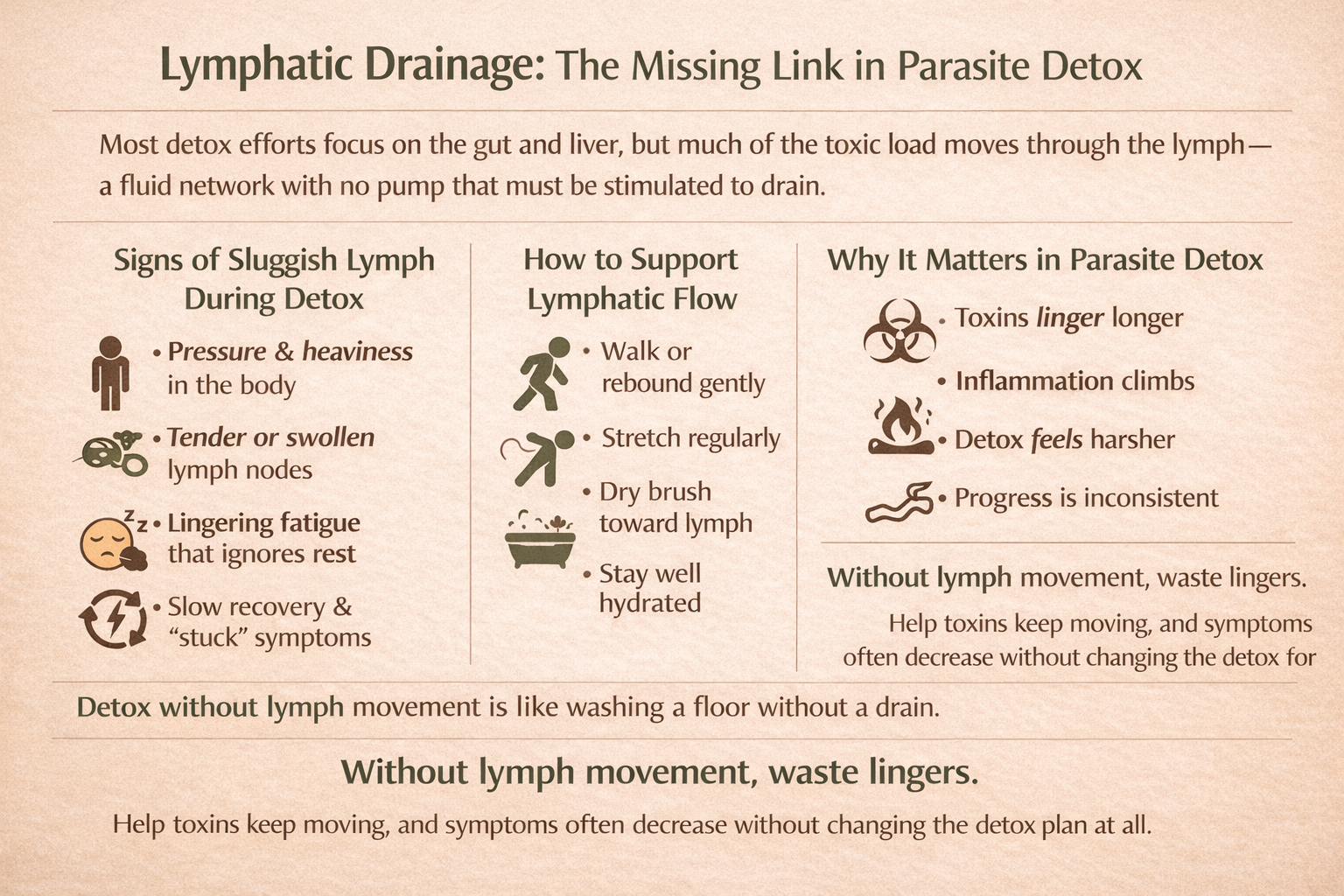
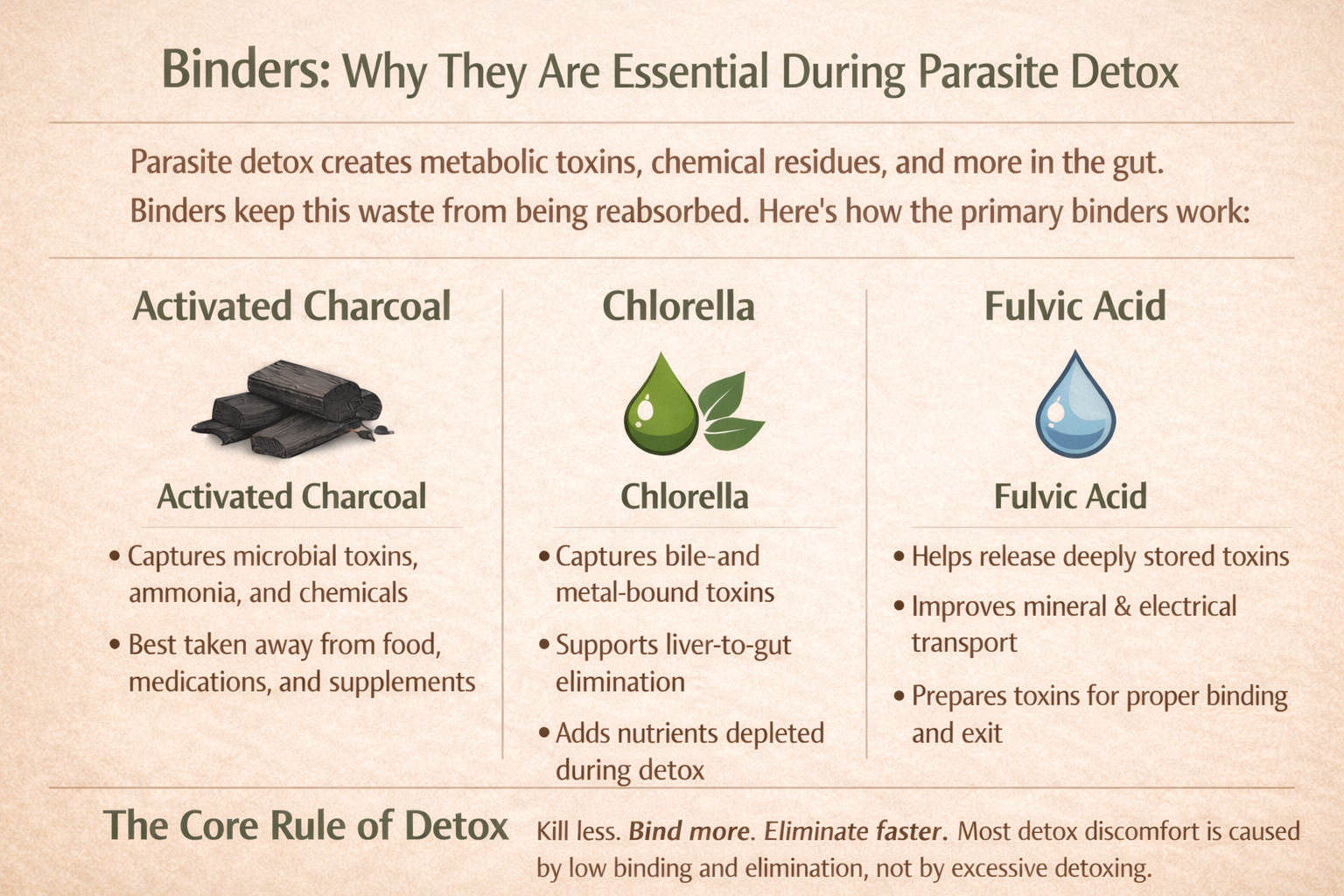
When food stops feeding toxicity, the body can finally redirect energy toward clearing what’s already there. Everything that follows—lymphatic movement, binding, elimination, and targeted protocols—depends on this first step being stable.